

Often, our patients think they’re crazy for feeling pain in a tooth that has had a root canal in Cary, NC. After all, doesn’t endodontics involve completely removing the nerve? Then, what is causing discomfort?
No matter what anyone says, pain in a tooth that already had a root canal is completely possible—and much more common than you might think. While root canals are designed to eliminate infection and relieve pain, lingering or recurring pain after root canal treatment can signal that something still isn’t right.

Why Root Canal Pain Can Return
Root canals remove infected pulp from inside your tooth and seal it to prevent further problems. But like any medical procedure, results can vary. If you’re experiencing discomfort months or even years after your procedure, it’s important not to ignore it and seek prompt dental care to save both your tooth and your peace of mind.
A few reasons why pain might return after treatment include:
1. Undetected or Missed Canals
Some teeth have more root canals than expected. If only a single canal is missed, infection can persist. This is one of the most common causes of root canal failure.
2. Persistent Infection in the Bone
Even if the pulp is removed successfully, bacteria may remain in the surrounding bone. This can lead to swelling, sensitivity, and dull or throbbing pain.
3. Cracks or Fractures
A small crack in the tooth—sometimes undetectable without advanced imaging—can allow bacteria to enter and compromise the integrity of the root canal treatment.
4. Failed Crown or Filling
If your crown becomes loose or your filling wears down, it could expose your tooth to new bacteria. This often leads to reinfection and discomfort.
5. Post-Treatment Inflammation
Mild pain or pressure is normal for a few days after the procedure. However, if your discomfort lingers or worsens over time, it’s time to have your dentist take a look.
6. A High Bite or Teeth Grinding
Sometimes the tooth itself is healthy, but it’s taking too much pressure. A new crown or filling that sits slightly high, or a habit of clenching and grinding, can leave a treated tooth sore when you bite down. Your dentist can check your bite and recommend a simple adjustment or other solution to ease the discomfort.
Root Canal Symptoms You Shouldn’t Ignore
Not all pain is urgent, but these red flags suggest you may need endodontic retreatment:
- Persistent throbbing or sharp pain
- Swelling around the gums or face
- Sensitivity to biting or pressure
- Pimple-like bump on the gum (fistula)
- Darkening or discoloration of the treated tooth
These symptoms may indicate that the infection remains or has returned, and your original root canal may need further evaluation.
What to Do If Your Root Canal Tooth Hurts
Hearing that your treated tooth has become reinfected can feel frustrating; however, most retreatment cases are highly successful when caught early.
Retreatment is similar to a second root canal treatment, used to remove lingering infection and reseal the tooth. This helps bring your tooth back to top condition and extend its lifespan, avoiding the need for extractions and restorations like bridges or implants.
While you wait for your appointment, a few simple steps can help keep you comfortable:
- Chew on the opposite side of your mouth.
- Avoid very hard, sticky, hot, or cold foods.
- Take over-the-counter pain relievers only as directed on the label.
- Keep brushing and flossing gently around the tooth.
If you notice swelling in your face, fever, or difficulty swallowing, call our office right away or seek urgent care.
Frequently Asked Questions About Pain After a Root Canal
How Long Is It Normal for a Tooth to Hurt After a Root Canal?
Mild tenderness or soreness for a few days is common as the surrounding tissues heal. Discomfort that gets worse, lasts more than a week or two, or returns after the tooth felt fine is worth having evaluated.
Can a Tooth Hurt Years After a Root Canal?
Yes. A new crack, a leaking crown or filling, fresh decay, or a lingering infection can all cause pain long after the original treatment—even if the tooth felt fine for years.
Why Does My Root Canal Tooth Hurt When I Bite Down?
Pain on biting can come from inflammation around the root tip, a crown or filling that sits too high, or a crack in the tooth. An exam and X-rays help pinpoint the cause so it can be treated properly.
Is Retreatment Better Than Pulling the Tooth?
When a tooth can be saved, keeping your natural tooth is often the preferred option. Your dentist will look at the tooth’s structure, the extent of the infection, and your goals before recommending retreatment, extraction, or a replacement option.
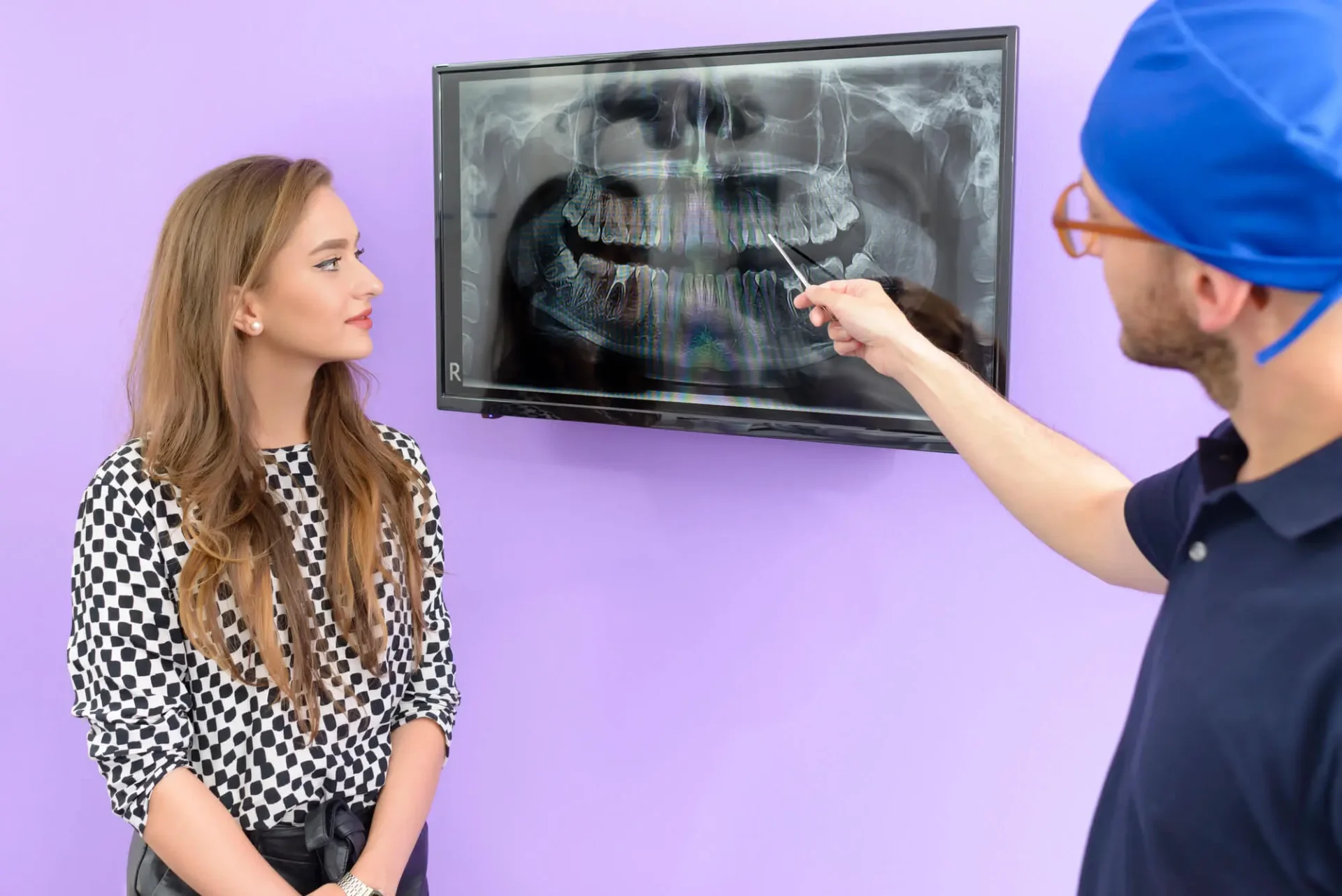
Pain After a Root Canal? Schedule an Evaluation and Save Your Tooth
If you have pain in a tooth that had a root canal, don’t let anyone tell you it’s not real: infections can recur and impact surrounding tissues without prompt treatment. Don’t wait for the pain to get worse—schedule a consultation today at Alliance Dentistry to have your root canal in Cary, NC checked.
We take the time to hear about your symptoms and perform a comprehensive evaluation, ensuring you feel heard every step of the way. For us, honest communication is the only path to long-term success—and oral health.